What Regenerative Skincare Means Here
Care that begins before the ingredient reaches the jar.
“Regenerative” is becoming one of those words that can mean everything and therefore, if we are careless, nothing.
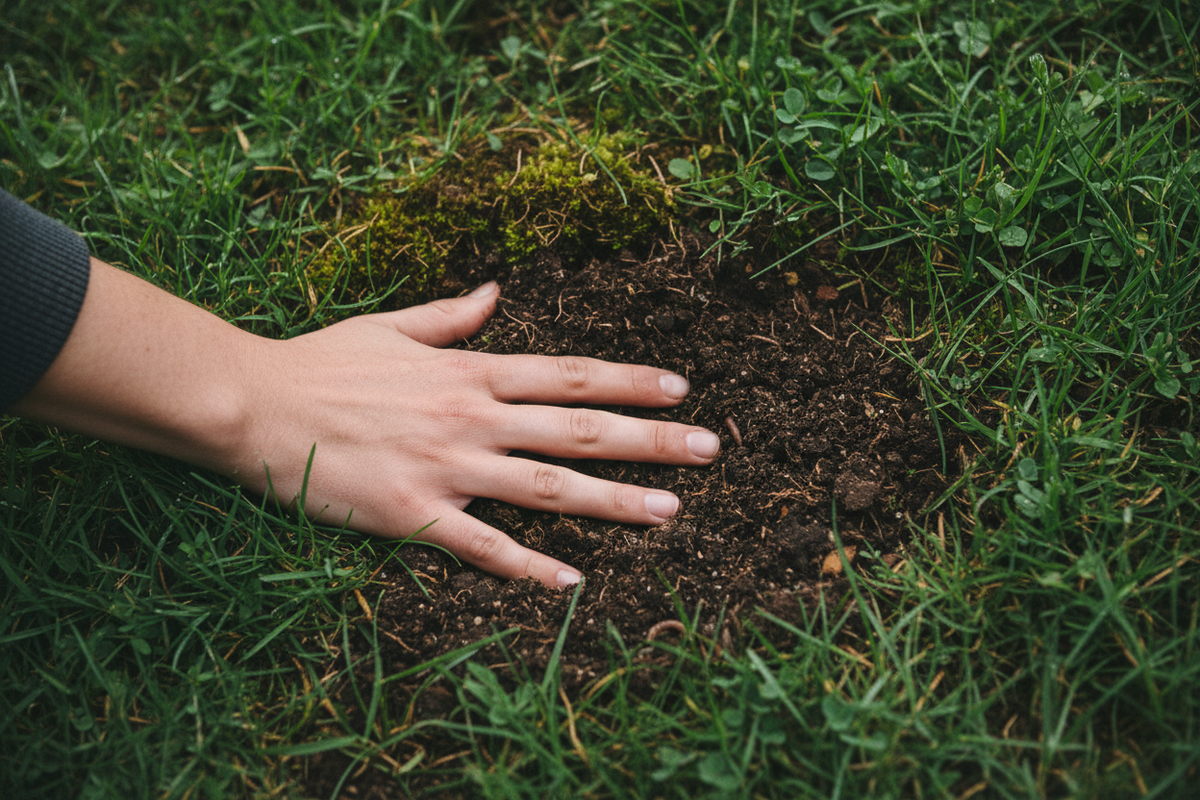
At Buffalo Gal, it begins on an actual farm.
I raise water buffalo at Carrell Farms in Georgia. Their tallow is not a fashionable ingredient purchased at a distance from an anonymous supply chain. It comes from animals and land I know, and it asks me to think about stewardship long before I think about skincare.
Regeneration is not a cosmetic claim
A cream cannot regenerate a farm. A farm practice does not automatically prove a clinical result on skin. And no beautiful word should be used to blur that distinction.
When I call our approach regenerative, I am describing a chain of responsibility: care for the soil, care for the animals, full use of what those animals provide, close attention to the raw material and honest language about the finished formula.
The land story and the skin story are connected by values—not by a promise that one scientifically proves the other.
Begin with what would otherwise be overlooked
Tallow is a byproduct of raising animals for food. Using it thoughtfully honors more of the animal and turns an often-discarded material into something useful.
But upcycling alone does not make a product excellent. The fat must be handled well, understood and formulated with intention.
That is why I render our tallow, test it and pay attention to how it behaves with other ingredients. Knowing the source gives me responsibility, not permission to exaggerate.
Formulate for changing skin
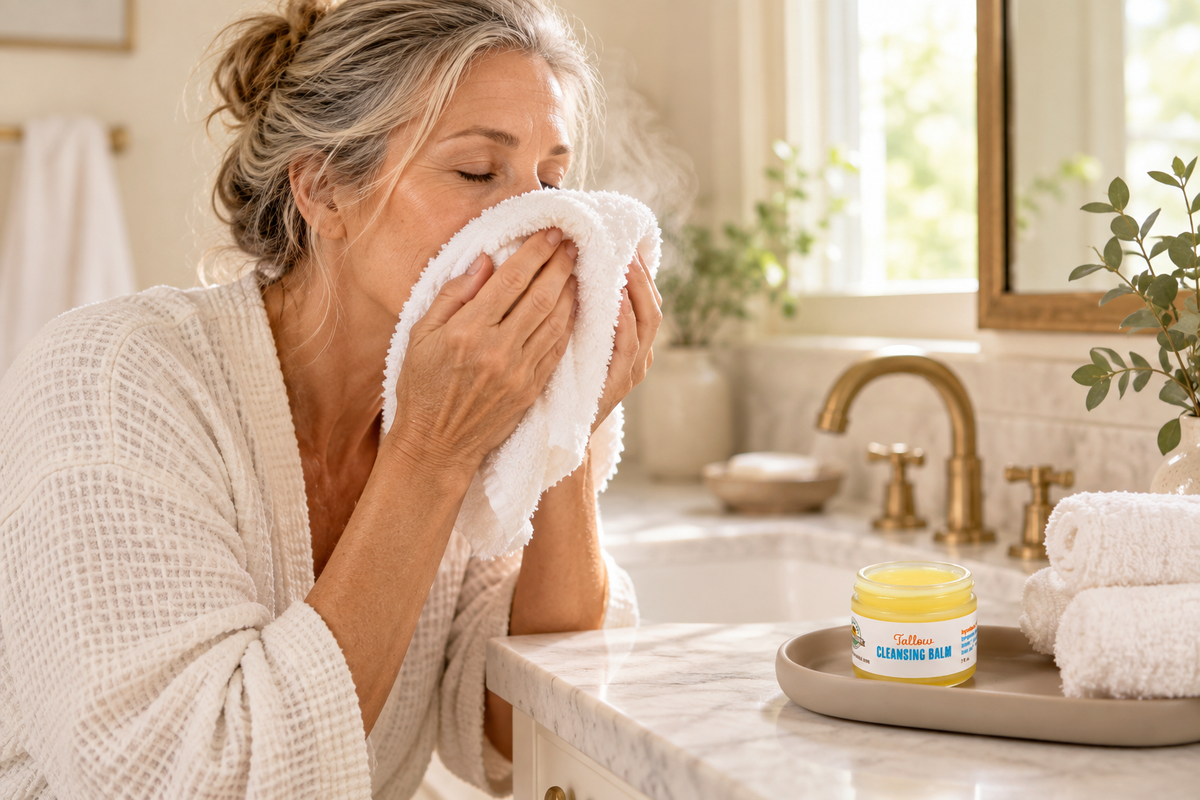
The women I formulate for are not problems waiting to be corrected. Their skin may be drier, less resilient or more easily unsettled than it once was. It deserves products designed for comfort, support and pleasure.
Our formulas combine farm-raised tallow with carefully chosen oils, hydrators, peptides and other ingredients according to the job of the product. “Natural” is not the only standard. Suitability, stability, sensory experience and honest expectations matter, too.
Say what we know—and what we do not
We publish our laboratory findings because assumptions are not evidence. The reports revealed real differences among the individual tallow samples we tested. They also taught me how easily a modest measurement becomes an extravagant marketing claim.
Transparency includes limitations. A raw-material analysis is not a clinical trial. An interesting fatty acid is not automatically a proven skin benefit. A traditional ingredient is not universally suitable.
A practice, not a halo
Regenerative skincare, here, is not a green halo placed around a jar.
It is a practice of asking better questions: Where did this come from? Who cared for it? What was measured? Why is each ingredient here? What can the formula reasonably offer? What should never be promised?
Regeneration is possible—for land, for skin and for the women who care for both.
It begins with attention.
.